Introduction: The Greatest Show on Earth
Every year, over 1.5 million wildebeest, joined by hundreds of thousands of zebras and gazelles, embark on an epic, year‑long journey across the Serengeti‑Mara ecosystem. It is the world’s largest land‑animal migration—a raw, heart‑stopping drama of birth, survival, and sheer instinct that has rightfully earned its title as one of the “Seven Natural Wonders of Africa.”
But when exactly should you go? The truth is, there’s no single “best” month. The Great Migration is a continuous, 365‑day cycle, and the answer depends entirely on what you want to see: dramatic river crossings with crocodile‑infested waters, calving season with thousands of newborns and intense predator action, or the iconic spectacle of massive herds stretching to the horizon.
At Akira Safaris, we’ve spent years tracking the herds across Tanzania’s Serengeti and Kenya’s Maasai Mara. Below is our definitive, month‑by‑month guide to help you plan the ultimate Serengeti migration safari.
The Migration Calendar: Month by Month
🦓 December – March: Calving Season (Southern Serengeti & Ndutu)
Best for: Newborn calves, high predator action, excellent photography, fewer crowds than peak season.
During these months, the herds gather on the nutrient‑rich short‑grass plains of the southern Serengeti and the Ndutu region (part of the Ngorongoro Conservation Area). This is the calving season: over 500,000 wildebeest calves are born within a few weeks, peaking in February. On any given day, you can witness thousands of wobbly newborns taking their first steps—and the predators that follow them.
Why go now? The flat, open terrain offers superb visibility, the landscapes are lush and green, and you’ll experience high‑density wildlife without the crowds of the peak dry season. It’s a photographer’s dream and a heart‑stopping display of the circle of life.
🌧️ April – May: The Long Rains & Northward Movement (Central/Western Serengeti)
Best for: Fewer tourists, lower prices, lush green scenery, dramatic storm photography.
April and May are the “long rainy season.” Many safaris overlook this period, but savvy travellers love it for the privacy, value, and jaw‑dropping skies. The herds begin moving north, often forming long, dramatic columns that stretch for miles as they traverse the central Serengeti towards the Western Corridor. Roads can be muddy, but the rewards—stunning greenery, fewer vehicles, and significantly lower rates—are well worth it for the adventurous.
☀️ June – July: Grumeti River Crossings (Western Corridor)
Best for: Early river‑crossing action, fewer crowds than the Mara, large crocodiles.
As the dry season begins, the herds push into the Western Corridor and face their first major obstacle: the Grumeti River. This is where you’ll find some of Africa’s largest Nile crocodiles, and the crossings here—though less famous than the Mara—can be just as thrilling. June and July offer a superb balance of dramatic wildlife encounters and lighter safari traffic compared to the peak months further north.
🔥 August – October: Mara River Crossings (Northern Serengeti)
Best for: The most iconic, bucket‑list migration experience – the legendary Mara River crossings.
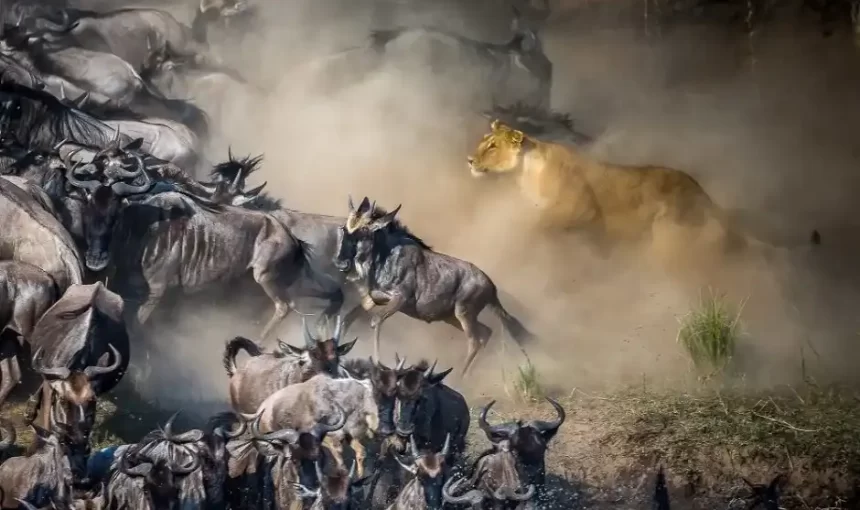
This is the peak of the migration drama. The herds gather along the banks of the Mara River in the northern Serengeti (Kogatende and Lamai areas), where they must cross crocodile‑infested waters to reach fresh grazing. The tension, chaos, and sheer bravery on display are unforgettable. July to September offers the highest probability of witnessing these crossings, with activity often continuing into October.
Note: Crossings are never guaranteed; the herds may wait for days before the first brave wildebeest plunges in. That’s why having an expert guide who knows the terrain is essential.
🌾 November – December: The Return South (Eastern/Central Serengeti)
Best for: Fewer crowds, migrating herds on the move, beautiful light, excellent value.
The short rains trigger the return journey. The herds begin streaming back south through the eastern and central Serengeti, completing the year‑long clockwise loop. November and December offer a more relaxed safari experience, with green landscapes, fantastic birdwatching, and the chance to see massive columns of wildebeest and zebra once again on the move towards the southern calving grounds.
Quick‑Reference Calendar: When to Go for What
| Time of Year | Where | What to See | Crowds | Cost |
|---|---|---|---|---|
| Jan–Mar | Southern Serengeti / Ndutu | 500,000+ calves born daily; intense predator action; green landscapes | Moderate | Mid‑range |
| Apr–May | Central / Western Serengeti | Herds moving north in long columns; lush scenery; few vehicles | Low | Budget‑friendly |
| Jun–Jul | Western Corridor (Grumeti River) | Crocodile‑filled river crossings; high action; fewer crowds than Mara | Low to moderate | Mid‑range |
| Aug–Oct | Northern Serengeti (Mara River) | Iconic Mara River crossings; peak migration drama; bucket‑list moments | High | Premium |
| Nov–Dec | Eastern / Central Serengeti | Return journey south; herds on the move; green landscapes; good birding | Moderate | Mid‑range |
Planning Your Serengeti Migration Safari with Akira Safaris
Choosing the right time is only half the story. A successful migration safari requires:
✅ Expert local guides who monitor real‑time herd movements and know where to position you.
✅ Well‑chosen camps and lodges that move with the seasons or are strategically located near key crossing points.
✅ Early booking – especially for peak season (July–September), when the best camps fill up 8–12 months in advance.
✅ A flexible itinerary that allows you to follow the action, not just a fixed schedule.
At Akira Safaris, we specialise in tailor‑made, private migration safaris that put you exactly where you need to be—whether that’s watching a cheetah hunt on the Ndutu plains in February or witnessing thousands of wildebeest plunge into the Mara River in September.
Ready to Plan Your Migration Safari?
The Great Wildebeest Migration is a once‑in‑a‑lifetime spectacle, and the perfect time to experience it depends on your dream. Whether you’re drawn to the drama of river crossings, the tenderness of calving season, or the sheer scale of the herds on the move, we’re here to craft the journey for you.
📧 Contact Akira Safaris today to start planning your Serengeti migration adventure. Let’s find the best time for you.