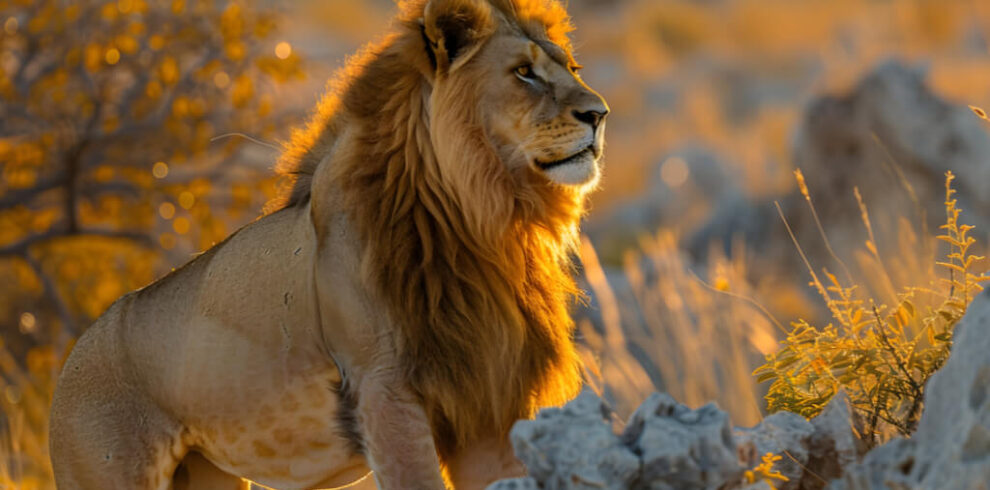
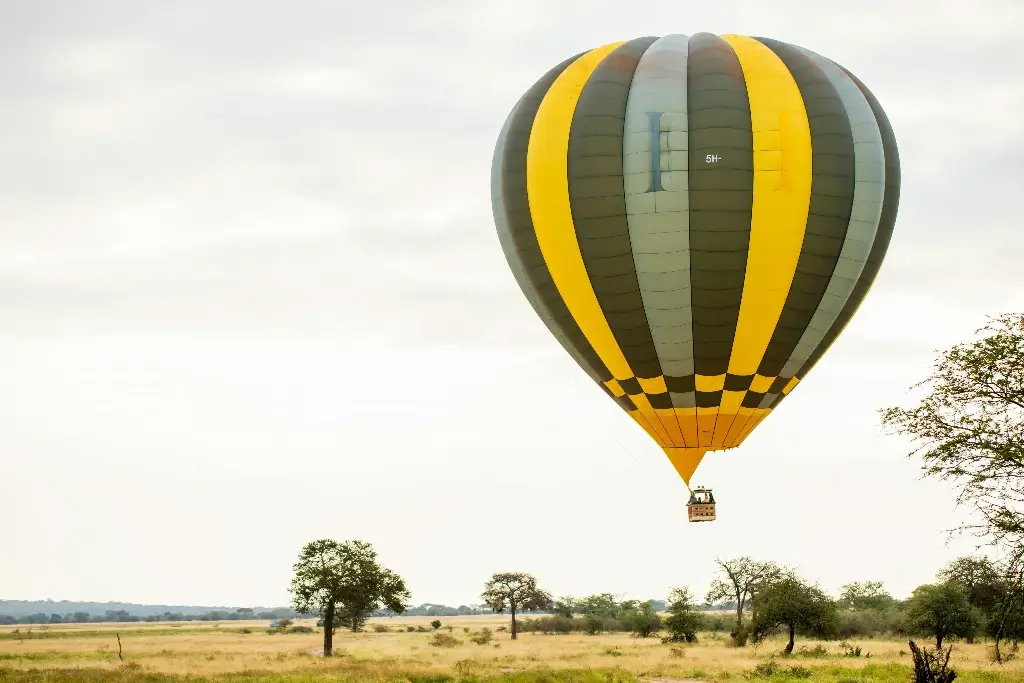
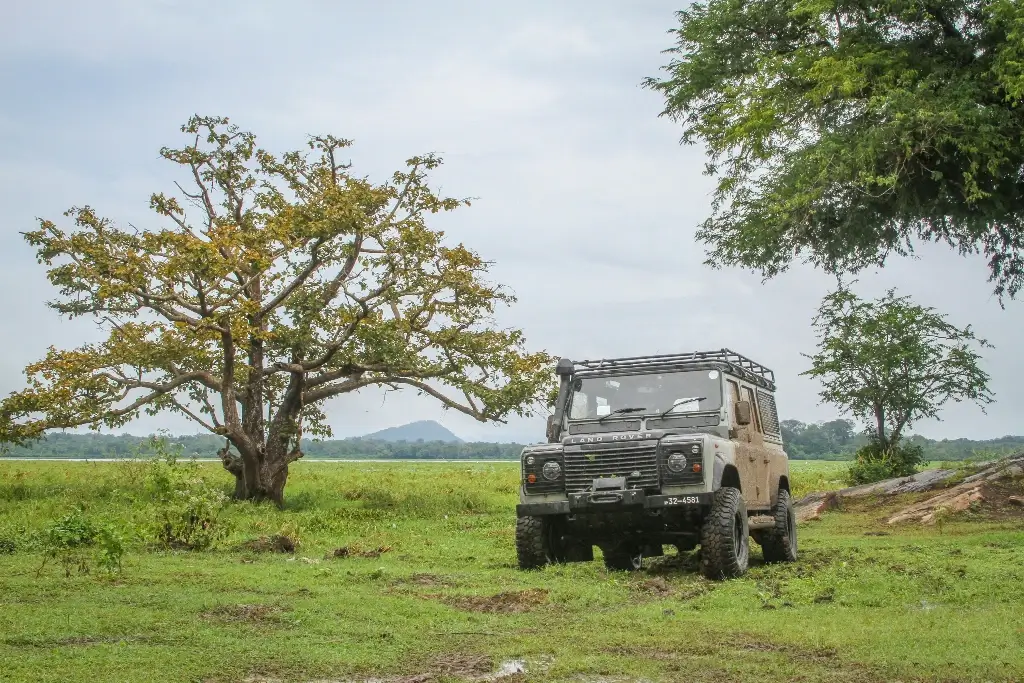
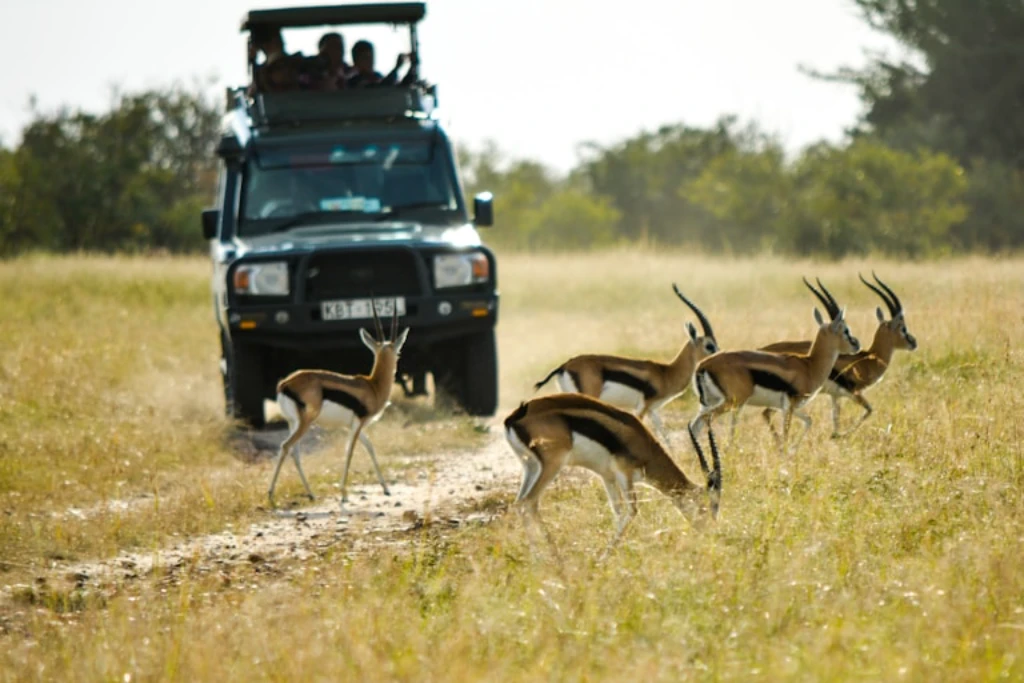
A short but powerful introduction to Kenya’s most iconic reserve. The Maasai Mara offers unmatched wildlife density, dramatic open plains, and some of the world’s best predator viewing. This quick itinerary suits travelers with limited time who still want a complete safari experience, with expert guides helping you understand animal behavior, landscapes, and the Mara ecosystem.
Highlights
Scenic drive down the Great Rift Valley escarpment
Game drive across the rolling savannah plains
Search for the Big Five (lion, leopard, elephant, buffalo, rhino)
Visit the Mara River ecosystem
Itinerary
Day 1 :
Nairobi to Maasai Mara
Depart Nairobi in the morning for a scenic drive down the Great Rift Valley escarpment. Arrive at your lodge/camp in time for lunch. Embark on your first thrilling afternoon game drive across the rolling savannah plains in search of wildlife.
Day 2 :
Full-Day Game Drive in Maasai Mara
Spend the entire day exploring the vast reserve with a packed lunch. Search for the Big Five (lion, leopard, elephant, buffalo, rhino), as well as cheetahs, hyenas, giraffes, zebras, and numerous antelope species. Visit the Mara River, a key feature of the ecosystem.
Day 3 :
Morning Drive and Return to Nairobi
Enjoy a final early morning game drive, capturing the magic of the Mara at sunrise. Return to your lodge for breakfast before checking out and driving back to Nairobi, with an expected arrival in the late afternoon.
All About Your Trek
Embark on an exhilarating trekking journey that immerses you in the pristine beauty of nature and the rich cultural heritage of the region. This trek offers a perfect blend of adventure, breathtaking scenery, and meaningful local encounters, making it an ideal choice for those seeking to connect deeply with the environment and people.
Route & Terrain: The trek covers a diverse landscape, ranging from dense forests and terraced fields to rocky mountain paths and high-altitude meadows. You’ll traverse well-marked trails that challenge your endurance while rewarding you with spectacular panoramic views. Some sections may involve steep ascents and descents, so a good level of physical fitness and stamina is recommended.
Duration & Pace: This trek typically lasts [X days], allowing you to enjoy a balanced pace that combines daily trekking with time to rest and explore local villages. Each day’s walk averages between 4 to 7 hours, giving you ample opportunity to soak in the scenery and capture stunning photographs.
Accommodation & Facilities: Overnight stays are arranged in traditional teahouses or mountain lodges, offering basic yet comfortable amenities. These cozy accommodations provide a chance to experience the warmth of local hospitality, enjoy hearty home-cooked meals, and recharge for the next day’s trek.
Cultural Experience: Beyond the natural beauty, this trek provides a unique window into the life of indigenous communities. You’ll meet friendly locals, learn about their customs, traditions, and way of life, and perhaps even participate in cultural activities or festivals depending on the timing of your visit.
Best Time to Visit: The optimal trekking seasons are during the spring months of March to May and the autumn months of September to November. During these periods, the weather is generally clear and stable, with moderate temperatures and minimal rainfall, ensuring safer trekking conditions and breathtaking visibility.
Preparation & Packing Tips: To make the most of your trek, pack wisely. Essential items include sturdy trekking boots, layered clothing for fluctuating temperatures, rain gear, sun protection such as hats and sunscreen, a reusable water bottle, and personal medication. It’s advisable to keep your backpack light and prioritize comfort and functionality.
Health & Safety: Your safety is our utmost priority. The trek is guided by experienced professionals who are well-versed in mountain safety and first aid. They continuously monitor weather and trail conditions to ensure a secure experience. Remember to stay hydrated, pace yourself, and communicate any discomfort to your guide immediately.
Environmental Responsibility: We encourage all trekkers to practice responsible tourism by minimizing waste, respecting wildlife, and preserving the natural environment. Carry out all trash, avoid disturbing flora and fauna, and support local conservation efforts by purchasing souvenirs directly from artisans.
Additional Support: Should you have any specific requirements or need assistance in planning your trek, our team is available to provide personalized advice and support. We also offer options for porter services or mule assistance to help carry your luggage, making your trek more comfortable.